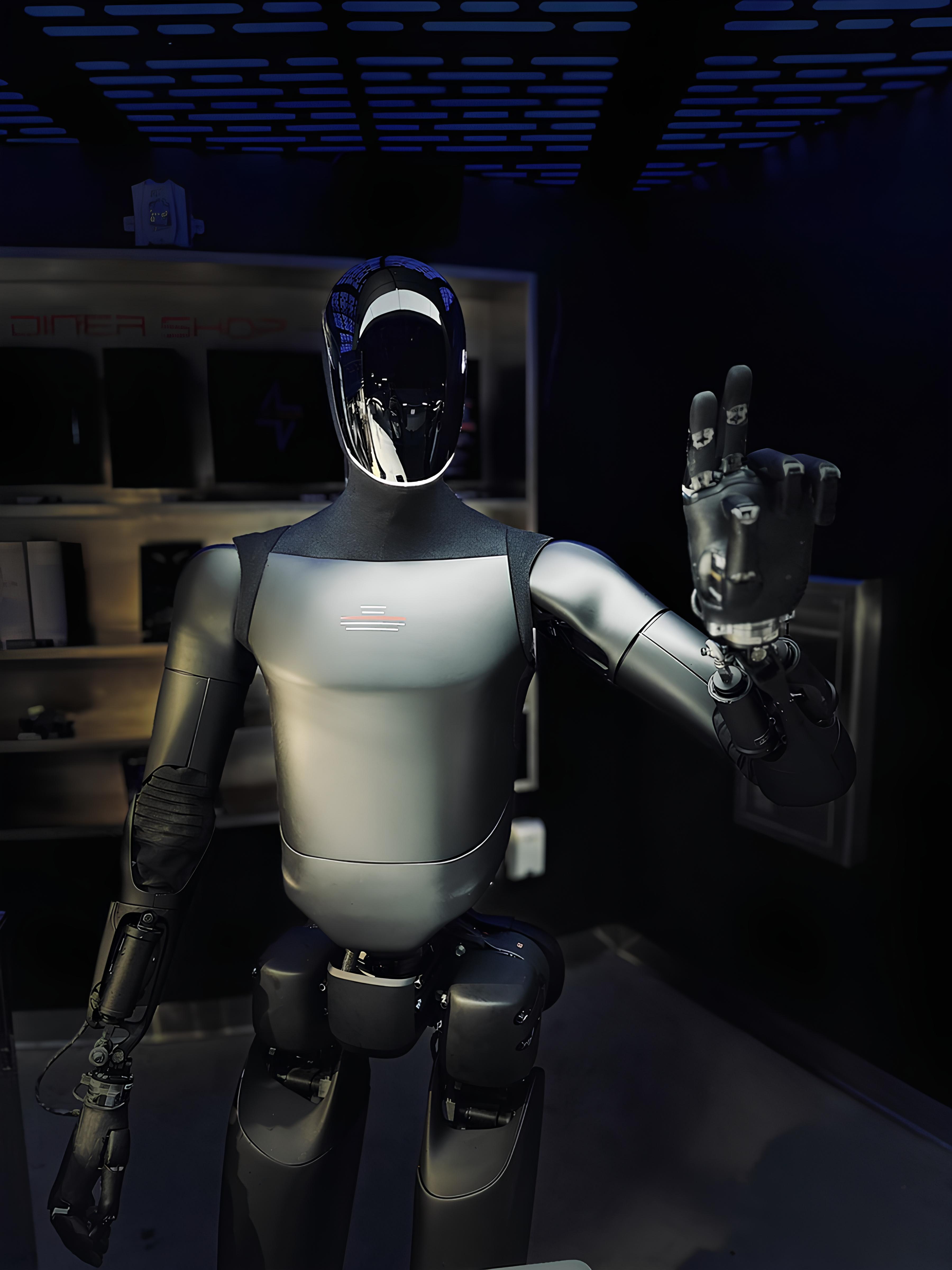
Tesla Optimus
Meet the future
A general-purpose humanoid robot, built by Tesla.
Designed to help
Made for the real world
Optimus moves through human spaces and handles human tasks.
Powered by AI
It learns
The same intelligence that drives Tesla vehicles now walks.
The work you skip
So you don't have to
Repetitive, dangerous, dull — Optimus is built to take it on.
Scroll
Why Optimus
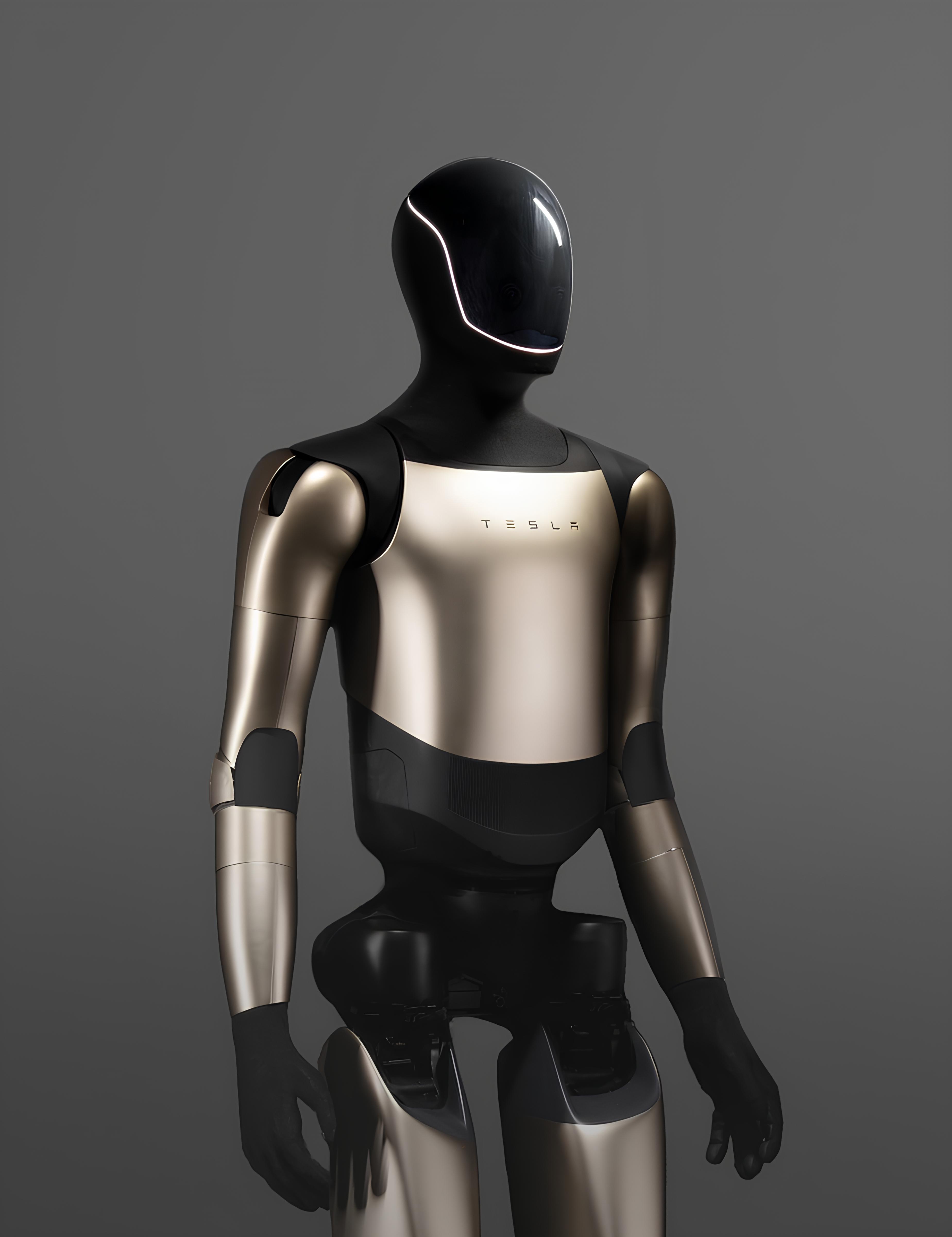
A humanoid built for the human world.
Most machines are built for one job in one place. Optimus is built for ours — the same doorways, tools and tasks people navigate every day. It walks on two legs, works with two hands, and learns by watching.
173cm
Height
Human-scale form factor
57kg
Weight
10 kg lighter than Gen 1
+30%
Walking Speed
Faster than previous generation
20kg
Payload
Comfortable carry capacity
In motion
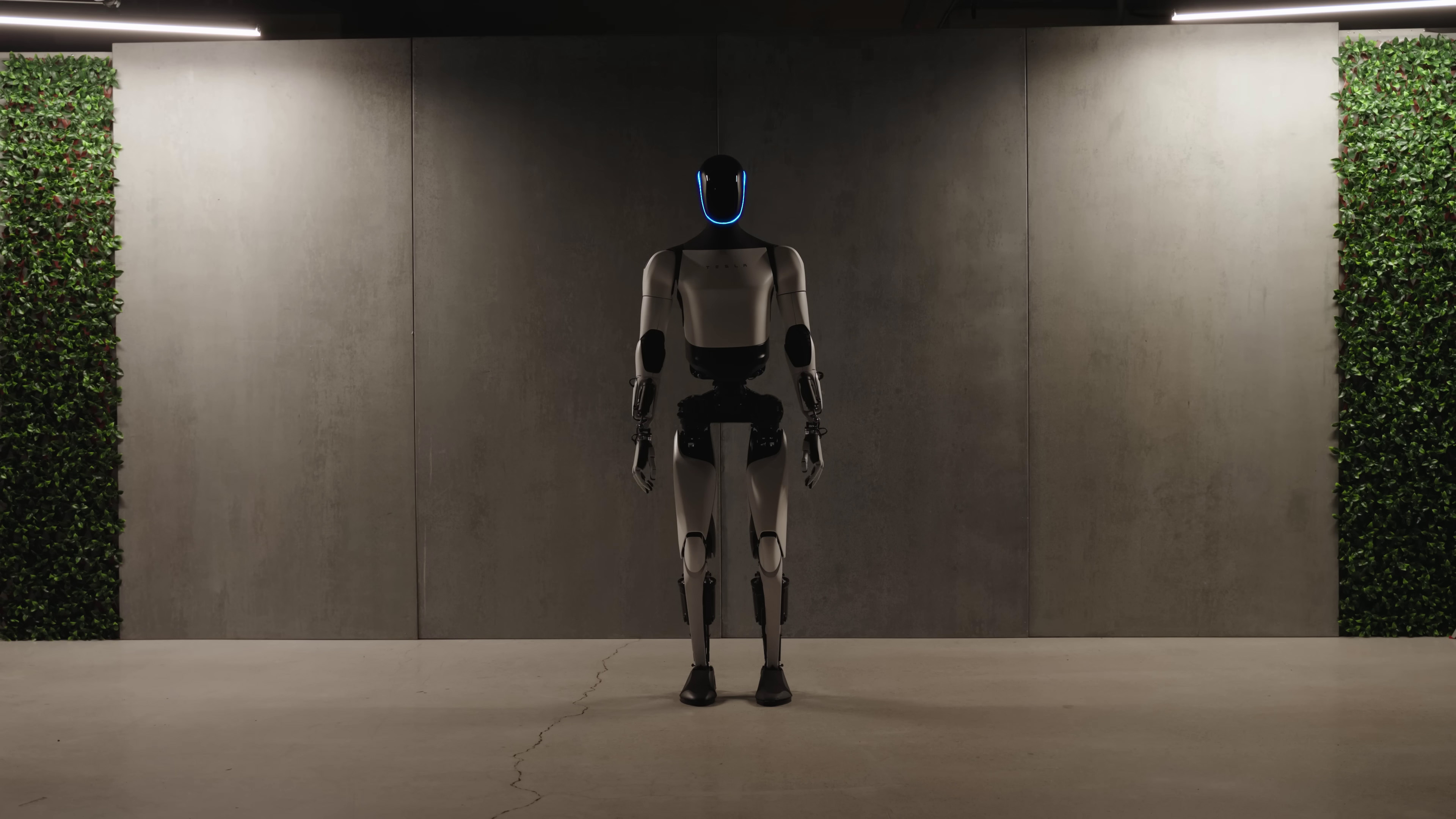
Watch it navigate the real world.
Real-time balance and camera-only perception let Optimus move through the same spaces people do — autonomously.
Capabilities
Engineered to be useful.
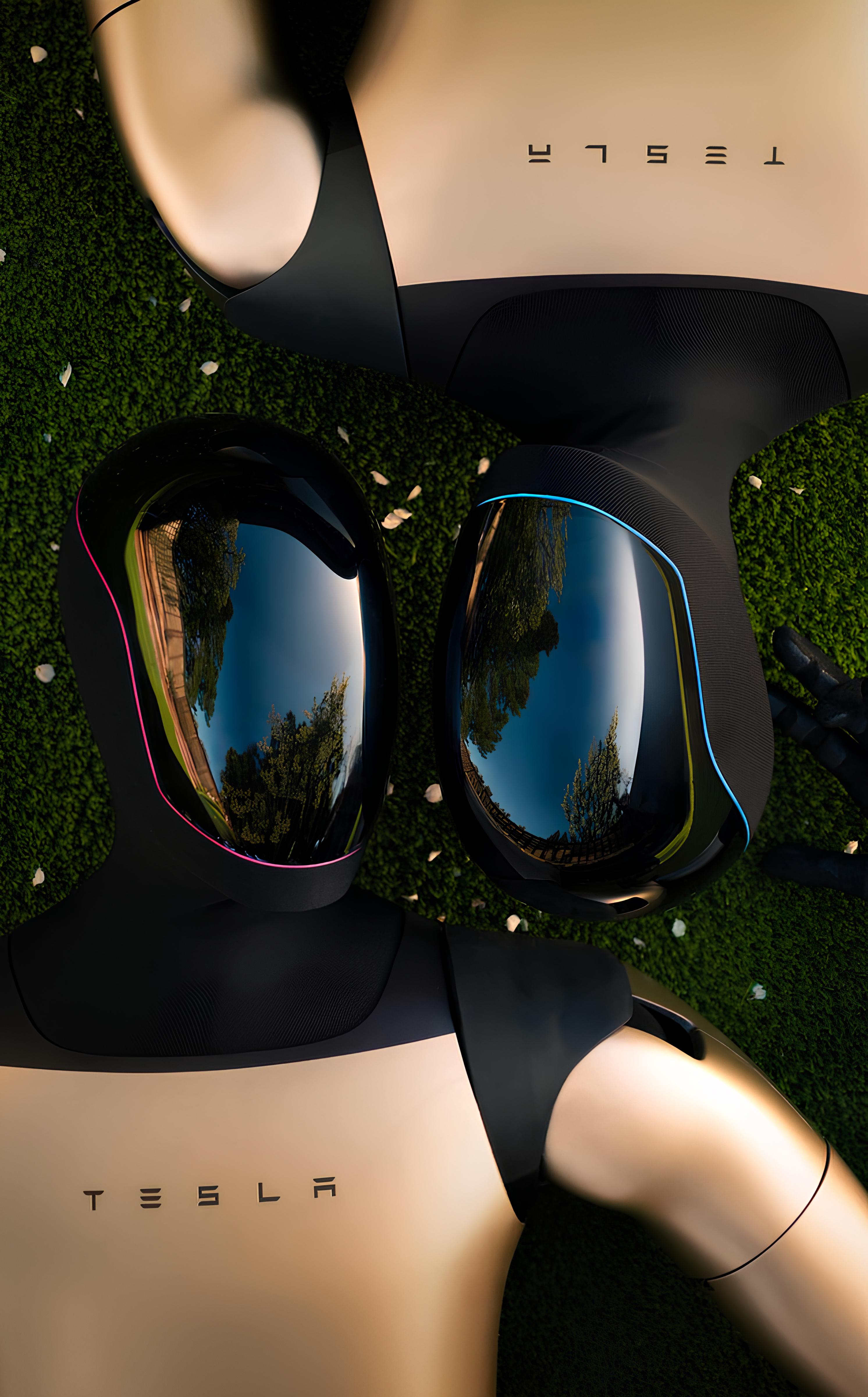
Hardware
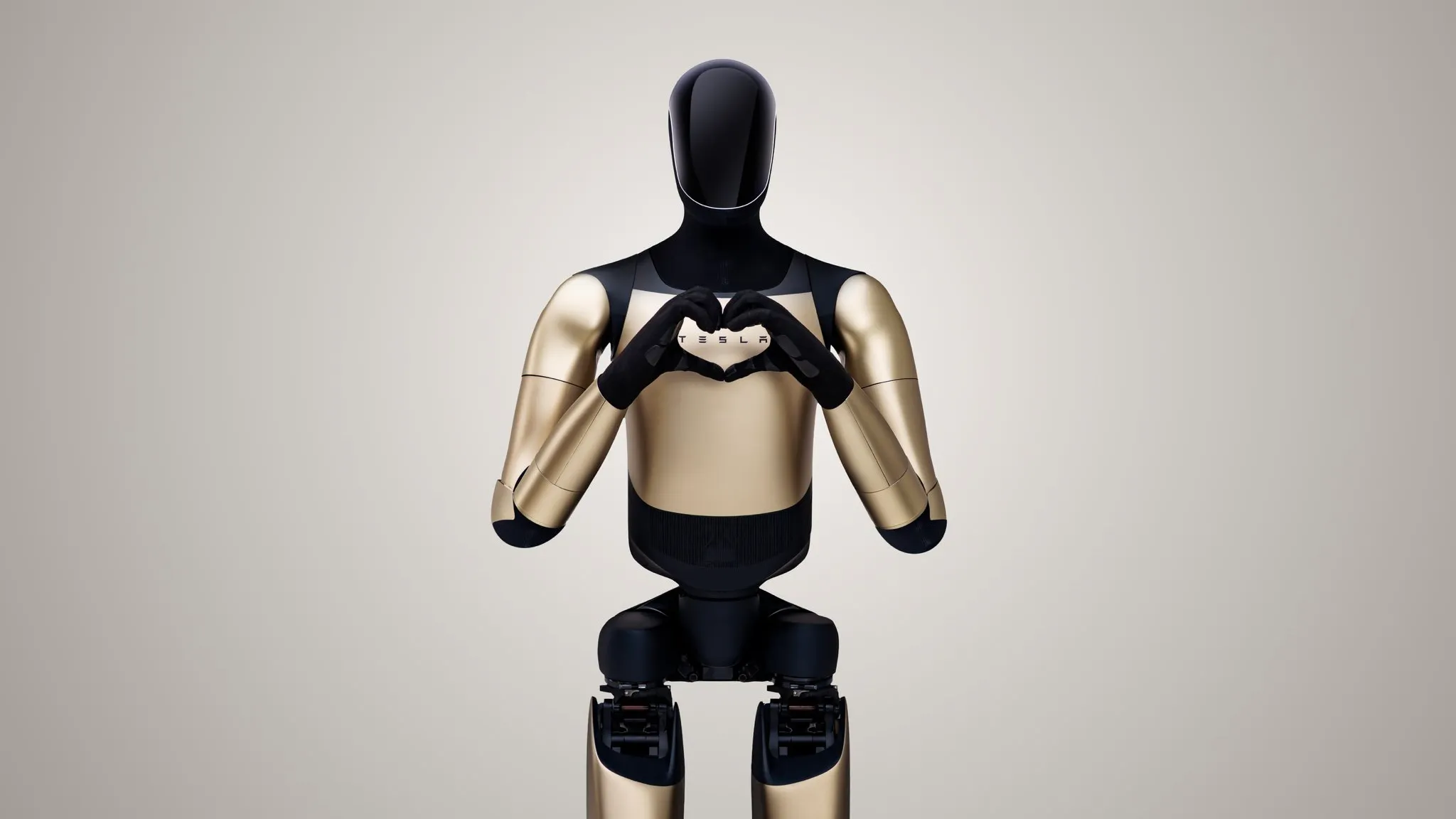
Designed, down to the last actuator.
A fully Tesla-designed body: custom actuators, a structural battery pack and tactile hands — engineered together as one system, the way a car is.
Technical Specifications
The numbers behind Optimus.
Compare the headline figures across generations — light, strong, efficient and safe to work alongside.
OPTIMUS
Specs
Physical
| Height |
175 cm Human-scale, fits through standard doorways
|
|---|---|
| Weight |
60 kg Lighter frame, denser actuators
|
| Walking speed |
up to 12 km/h +50% over Gen-2
|
| Degrees of freedom |
48+ total 14 per hand for finer manipulation
|
Performance
| Payload (carry) |
25 kg Comfortable two-handed carry
|
|---|---|
| Deadlift |
90 kg Peak lifting capacity
|
| Runtime |
All day and beyond Larger pack, higher efficiency
|
| Hand sensing |
Tactile + force feedback Closed-loop adaptive grip
|
Brains & Power
| Compute |
Next-gen inference Higher on-board neural throughput
|
|---|---|
| Perception |
Vision + depth Camera-first, shared with Tesla FSD
|
| Battery |
2.8 kWh pack Chest-integrated, single-pack design
|
| Actuators |
Next-gen high-torque More force, quieter, lower power draw
|
Figures are illustrative, drawn from publicly discussed Optimus generations. Independent concept site, not affiliated with Tesla, Inc.
Be first in line
Built to work with people.
Configure your Optimus and reserve your place in line as it moves from the lab into the world.